
Buying property in the United States as an international buyer is different from buying in your home country. The financing process, the title system, the closing procedures, and even the way real estate agents work are not the same. For Latin American buyers specifically, the language and cultural differences can add another layer of complexity.
This guide covers the basics of what to expect, so you can approach the process with confidence.
Can International Buyers Get a Mortgage in Florida?
Yes. International buyers can obtain financing from U.S. lenders, though the process and requirements differ from domestic purchases. Several lenders offer programs specifically for foreign nationals. Requirements typically include a larger down payment (often 30% to 50%), a valid passport, proof of income or assets, and an ITIN (Individual Taxpayer Identification Number).
Some international buyers choose to pay cash, which simplifies the process and can make the transaction more attractive to sellers. The right approach depends on your financial situation and goals.
Understanding the U.S. Title System
In the United States, title insurance is a standard part of most real estate transactions. Title insurance protects you against any claims or liens on the property that were not discovered during the title search. For international buyers, this may be an unfamiliar concept, but it is an important protection.
The closing process in the U.S. is typically handled by a title company or attorney, depending on the state. In Florida, both are used. The closing involves signing the deed, the mortgage documents (if financing), and various disclosures. It is usually completed in a single meeting, though some documents may be signed in advance.
What Changes When You Are Buying from Abroad
If you are purchasing from another country, several practical considerations come into play:
- Power of Attorney: If you cannot be in Florida for the closing, you may be able to grant a power of attorney to someone you trust to sign on your behalf.
- Wire Transfers: International wire transfers take time. Plan for several business days for funds to arrive, especially during peak periods.
- Property Management: If you will not be living in the property full-time, understanding Florida's property management options, HOA rules, and insurance requirements is important.
- Tax Considerations: International property ownership has tax implications in both the U.S. and your home country. Consult with a tax professional who understands cross-border ownership.
The Value of a Bilingual Agent
When you are navigating an unfamiliar system in a second language, the details matter even more. A bilingual agent does not just translate words. She understands the cultural context, the differences in how real estate works in different countries, and how to explain U.S. processes in a way that makes sense.
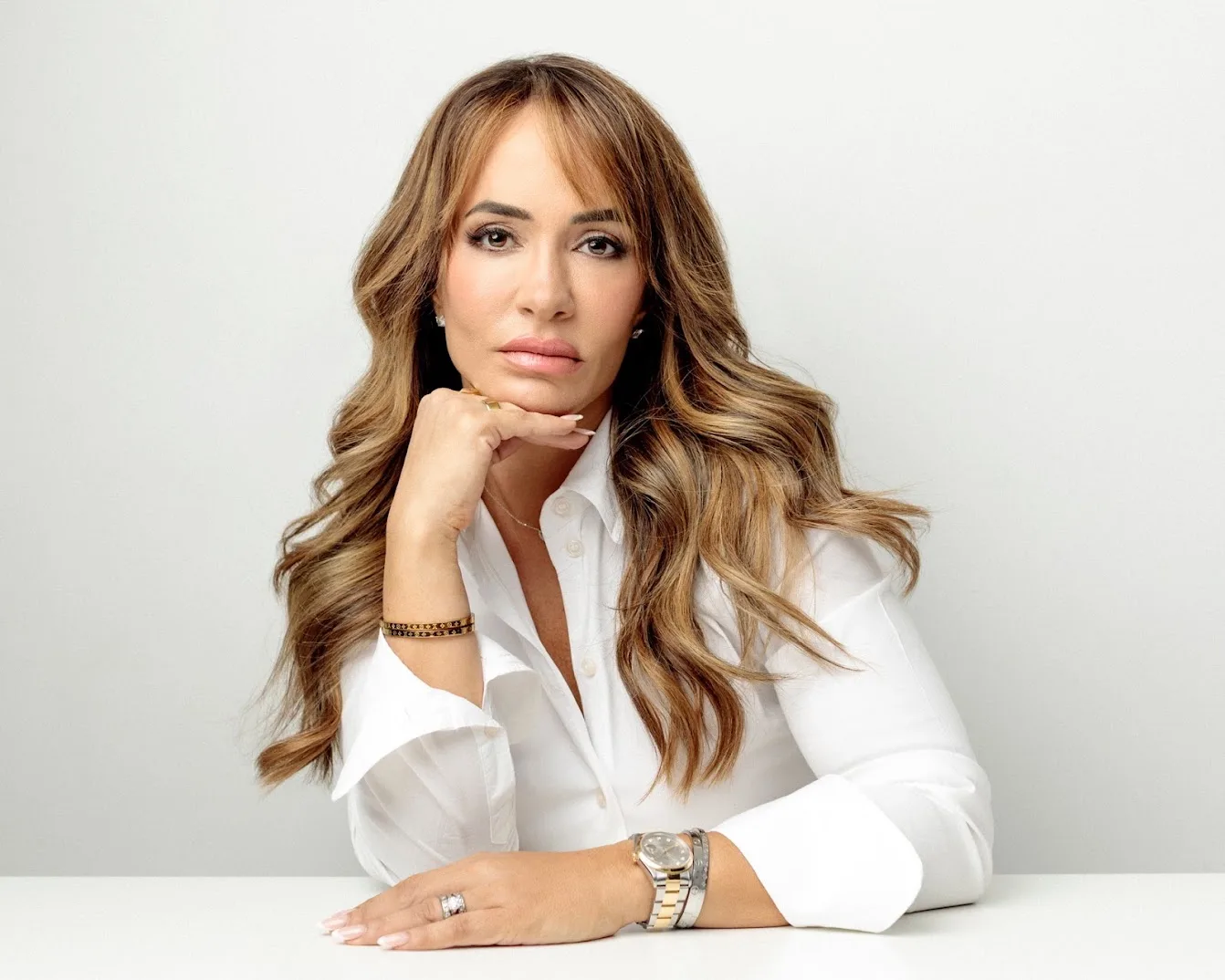
As a native Spanish speaker from Bogota, Colombia, Catalina brings both personal experience with international relocation and professional expertise in international real estate transactions. She holds the CIPS (Certified International Property Specialist) designation and works with international buyers regularly.
Ready to Explore Naples Real Estate?
Catalina provides all services in both English and Spanish.
Si prefiere comunicarse en espanol, no dude en llamar o escribir por correo electronico.